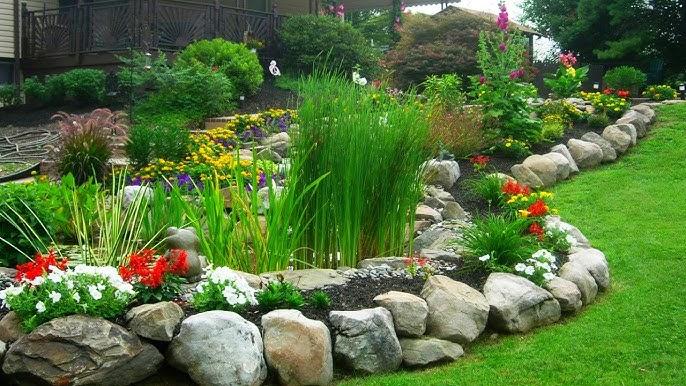
Garden design is both an art and a science. It combines creativity, environmental awareness, and practical planning to transform outdoor spaces into beautiful and functional environments. From traditional landscapes inspired by Versailles Gardens in Versailles to minimalist designs influenced by Ryoan-ji Zen Garden in Kyoto, garden design concepts have evolved across cultures and time periods. Today, homeowners, landscape architects, and urban planners use a wide range of garden design principles to create visually appealing, sustainable, and relaxing outdoor environments.
This guide explores essential garden design concepts, styles, and planning techniques that can help transform any outdoor area into a stunning landscape.
Understanding Garden Design Concepts
Garden design concepts refer to the principles and planning strategies used to create organized and aesthetically pleasing outdoor spaces. These concepts guide how plants, pathways, structures, and decorative elements are arranged.
Professional landscape designers often follow design principles similar to those used in architecture and art. Organizations like the American Society of Landscape Architects and institutions such as Royal Horticultural Society promote structured design methods that combine environmental sustainability with visual harmony.
The primary goal of garden design is to balance functionality with beauty. A well-designed garden should offer comfortable spaces for relaxation, support local biodiversity, and enhance the value of the property.
Key Principles of Garden Design
Several fundamental principles guide successful garden design. Understanding these concepts helps ensure that the final layout feels cohesive and balanced.
Balance
Balance refers to the visual stability of a garden design. Designers achieve balance by distributing plants, structures, and decorative elements evenly throughout the space.
Two types of balance are commonly used in garden design:
Symmetrical balance, which is commonly seen in formal gardens like those at Gardens of Versailles, uses mirrored elements on each side of a central axis. This style creates a structured and elegant look.
Asymmetrical balance, often used in modern landscapes and Japanese gardens, uses different elements that still maintain visual harmony. This technique is frequently used in gardens inspired by Japanese Garden Design traditions.
Unity and Harmony
Unity ensures that all elements of the garden work together as a cohesive whole. This can be achieved through consistent color palettes, repeated plant species, and complementary materials.
For example, using plants such as Lavandula angustifolia, Rosa chinensis, and Buxus sempervirens in coordinated arrangements can create a harmonious garden theme.
Harmony also comes from integrating natural features like water elements, rocks, and pathways into the overall design.
Proportion and Scale
Proportion refers to the size relationship between different elements in the garden. Trees, shrubs, and decorative features must be chosen according to the size of the garden.
For example, a small courtyard garden would look overcrowded with large trees like Quercus robur, while spacious landscapes can support large focal plants.
Landscape architects often use tools like AutoCAD and SketchUp to create scaled garden layouts before construction begins.
Focal Points
A focal point draws attention and anchors the garden visually. It could be a sculpture, water fountain, decorative tree, or seating area.
Common focal elements include garden sculptures, pergolas, and ornamental trees such as Acer palmatum. In famous landscapes like Central Park in New York City, focal points like fountains and monuments guide visitors through the landscape.
Popular Garden Design Styles
Different garden design styles reflect cultural traditions, climate conditions, and aesthetic preferences. Understanding these styles helps homeowners choose a concept that suits their space and lifestyle.
Formal Garden Design
Formal gardens emphasize symmetry, geometric patterns, and carefully maintained plants. These gardens often feature straight pathways, trimmed hedges, and decorative fountains.
The classic example of formal garden design can be seen in the Gardens of Versailles, which were commissioned by Louis XIV. The gardens showcase precise landscaping and grand architectural features.
Formal gardens require regular maintenance, including pruning and lawn care, to maintain their structured appearance.
Cottage Garden Design
Cottage gardens are known for their informal, colorful, and romantic atmosphere. They often include a variety of flowering plants arranged in dense, natural-looking clusters.
Plants commonly used in cottage gardens include Delphinium elatum, Digitalis purpurea, and Lavandula angustifolia.
This style originated in rural areas of England and has become popular worldwide due to its relaxed and charming aesthetic.
Japanese Garden Design
Japanese gardens focus on tranquility, simplicity, and natural symbolism. These landscapes are designed to represent mountains, rivers, and forests in miniature form.
Famous examples include the Ryoan-ji Zen Garden and Kenrokuen Garden in Kanazawa.
Key elements of Japanese gardens include rocks, moss, water features, and plants such as Pinus thunbergii and Acer palmatum.
Modern Minimalist Gardens
Modern gardens focus on simplicity, clean lines, and functional outdoor living spaces. Materials such as concrete, wood, and steel are often used alongside structured planting.
Designers frequently use digital tools like SketchUp and Adobe Photoshop to visualize modern landscape layouts.
Minimalist gardens may include features such as outdoor seating areas, fire pits, and geometric planting beds.
Sustainable Garden Design
Sustainability has become a major focus in modern garden design. Environmentally friendly landscapes conserve water, support biodiversity, and reduce maintenance requirements.
Organizations such as the United Nations Environment Programme promote sustainable landscaping practices worldwide.
Native Plants
Using native plants helps support local wildlife and reduces water consumption. Native species are better adapted to local climate conditions and require less maintenance.
For example, gardeners often choose native species recommended by organizations like the Royal Horticultural Society to improve ecological balance.
Water Conservation
Water-efficient irrigation systems such as drip irrigation help conserve water. Designers may also install rainwater harvesting systems to collect water for garden use.
Large public parks like Millennium Park in Chicago use sustainable landscaping strategies to manage water resources effectively.
Wildlife-Friendly Gardens
Gardens can be designed to attract birds, butterflies, and pollinators. Flowering plants such as Echinacea purpurea and Rudbeckia hirta provide nectar for pollinating insects.
Providing birdhouses, small ponds, and natural shelters can further support local wildlife populations.
Garden Layout and Planning
A successful garden begins with careful planning. Landscape designers usually follow a structured process to ensure that the garden meets both aesthetic and functional requirements.
Site Analysis
The first step in garden design is analyzing the site. This includes evaluating soil quality, sunlight exposure, drainage, and climate conditions.
Design professionals may use mapping tools such as Google Earth to study the terrain and surrounding landscape.
Zoning the Garden
Dividing the garden into zones helps organize different activities. For example, a garden may include:
Relaxation areas with seating or pergolas
Planting zones for flowers and shrubs
Vegetable or herb gardens
Pathways and walking areas
Urban parks such as Hyde Park in London use zoning strategies to manage large landscapes efficiently.
Hardscape Elements
Hardscape elements refer to non-plant features such as patios, pathways, and retaining walls. These structures help define the layout and improve accessibility.
Common materials used in hardscaping include stone, brick, wood, and concrete. In urban landscapes like High Line Park in New York City, hardscape elements play a key role in creating modern outdoor environments.
Technology in Modern Garden Design
Technology is transforming how gardens are planned and maintained. Landscape designers use advanced digital tools to create detailed visualizations before construction begins.
Software programs like AutoCAD, SketchUp, and Adobe Photoshop allow designers to create 3D models of garden layouts.
Smart irrigation systems and garden monitoring tools can also help manage watering schedules and plant health more efficiently.
Conclusion
Garden design concepts combine creativity, environmental awareness, and technical planning to create beautiful outdoor spaces. By applying principles such as balance, harmony, proportion, and focal points, designers can transform ordinary landscapes into inspiring environments.
Whether inspired by the structured elegance of Gardens of Versailles, the tranquil simplicity of Ryoan-ji Zen Garden, or the natural charm of English cottage gardens, modern garden design offers endless possibilities.
With thoughtful planning, sustainable practices, and the use of modern design tools, homeowners and landscape professionals can create gardens that are not only visually stunning but also environmentally responsible and functional for years to come.