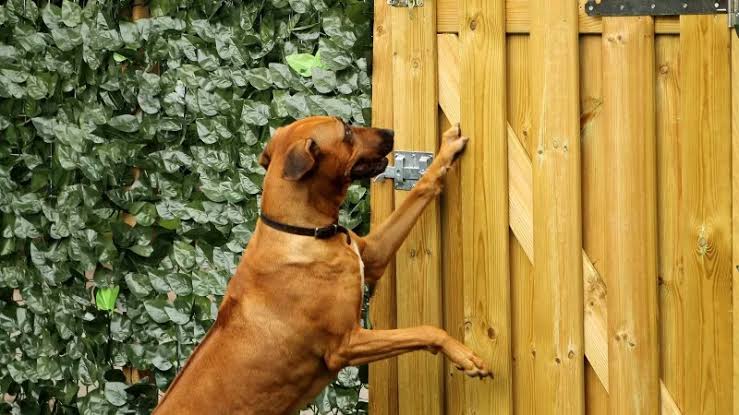
A dog’s reaction when someone approaches the front door can influence the entire household. Some dogs jump excitedly on visitors, bark repeatedly, rush through open doors, or struggle to settle when guests arrive. Although these behaviors are common, they can make everyday visits stressful and create safety concerns.
Effective dog training for door greeting behaviors focuses on teaching dogs how to respond calmly when someone arrives. Rob’s Dog Training emphasizes the importance of building reliable manners through consistent communication, structured practice, and positive reinforcement. With the right approach, dog owners can help their pets develop appropriate greeting habits while maintaining their natural enthusiasm.
Why Dogs Become Overexcited When Greeting Visitors
Door greetings involve several exciting triggers at once. A doorbell, knocking sound, approaching footsteps, and the appearance of an unfamiliar person can stimulate a dog’s attention and energy.
Common reasons for these reactions include:
- Excitement: Dogs may associate visitors with attention, playtime, and social interaction.
- Territorial responses: Some dogs bark or position themselves near entrances when unfamiliar people approach.
- Insufficient impulse control: Dogs that struggle to manage excitement may jump, rush forward, or ignore familiar commands.
- Fear or uncertainty: Unfamiliar visitors can make some dogs uncomfortable, resulting in barking or defensive behavior.
- Learned behavior: If jumping or barking consistently attracts attention, dogs may repeat those actions.
Understanding the reason behind a dog’s reaction helps owners choose appropriate training techniques. A dog that jumps out of excitement may need a different approach from one that barks because of fear.
Dog Training for Door Greeting Behaviors Starts With Basic Commands
Before introducing visitors into training sessions, dogs should understand a few foundational commands. These provide clear alternatives to jumping, rushing, and uncontrolled excitement.
Teach a Reliable Sit Command
Sitting gives dogs a specific behavior to perform instead of jumping on approaching visitors. Begin practicing in a quiet environment with minimal distractions.
Hold a treat near the dog’s nose and move it slightly upward until the dog naturally sits. Immediately reward the behavior and introduce a verbal cue such as “sit.”
Repeat the exercise during short training sessions. Once the dog responds consistently, practice in different rooms and gradually introduce distractions.
Introduce a Stay Cue
A reliable stay command helps prevent dogs from rushing toward the entrance when someone knocks or rings the doorbell.
Start by asking the dog to sit. Take one small step backward, return to the dog, and provide a reward if it remains in position. Gradually increase the distance and duration as the dog becomes more comfortable.
If the dog breaks the stay, reduce the difficulty and practice again. Consistent reinforcement helps establish more dependable responses.
Establish a Designated Greeting Area
Teaching dogs to remain in a specific location during arrivals can make household routines more predictable.
A dog bed or mat can serve as a designated greeting area. Reward the dog for going to this location and remaining there while household members move around.
Once the dog understands the exercise, practice introducing door-related sounds while it stays on the mat. This teaches the dog what to do when someone arrives.
How to Stop Dogs From Jumping on Visitors
Jumping is one of the most common problems associated with door greetings. Dogs may jump because they want attention, feel excited, or have learned that standing on their hind legs produces interaction.
Reward Four Paws on the Floor
Teach visitors to give attention when the dog keeps all four paws on the ground. If the dog jumps, visitors should avoid rewarding the behavior with petting, talking, or excited reactions.
Once the dog returns to the floor, provide calm attention and praise.
Everyone in the household should follow the same expectations. Allowing jumping occasionally can make the behavior harder to change because dogs receive inconsistent feedback.
Practice With Familiar People First
Start with someone the dog already knows. Ask that person to approach the entrance while you guide the dog into a sitting position.
If the dog remains calm, allow the visitor to approach and offer attention. If excitement increases, create more distance and repeat the exercise.
Gradually introduce different people and more challenging situations. This helps dogs learn that calm greetings are consistently rewarded.
Manage Doorway Excitement Before Opening the Door
Training should not depend entirely on a dog responding perfectly when the door opens. Practical management measures can prevent unwanted behavior while new habits develop.
Consider these strategies:
- Use a physical barrier: Baby gates or exercise pens can keep dogs at a safe distance from the entrance.
- Prepare before visitors arrive: Place treats near the training area and guide the dog to its designated position.
- Practice with door sounds: Introduce recordings of doorbells or knocking at a manageable volume while rewarding calm behavior.
- Control the opening process: Keep the dog secured while opening the door instead of expecting immediate obedience in an exciting situation.
- Keep initial greetings brief: Short interactions provide opportunities to reinforce appropriate behavior without overwhelming the dog.
These precautions are particularly useful for large dogs, households with young children, and situations involving unfamiliar visitors.
Help Dogs Respond Calmly to Doorbells and Knocking
Some dogs begin barking before anyone reaches the entrance. Repeated exposure to doorbells or knocking sounds can create a strong association between these noises and excitement or perceived threats.
Desensitization and counterconditioning can help change this response.
Start by introducing a recording of the doorbell at a low volume. When the dog hears the sound without becoming overly excited, provide a reward. Repeat the exercise and gradually increase the volume as the dog remains comfortable.
Next, introduce realistic practice:
- Have someone knock lightly while the dog remains at a comfortable distance.
- Reward the dog for responding calmly without rushing toward the entrance.
- Practice approaching the door only when the dog can remain controlled.
- Gradually introduce more realistic visitor arrivals.
The goal is to help the dog associate door-related sounds with calm, predictable experiences.
If a dog displays intense fear, persistent barking, or aggressive reactions, avoid forcing close interactions. Professional guidance can help determine an appropriate training approach.
Common Door Greeting Training Mistakes to Avoid
Even well-intentioned owners can unintentionally reinforce unwanted greeting behaviors. Recognizing common mistakes can make training more effective.
- Allowing inconsistent rules: If some visitors encourage jumping while others discourage it, dogs may struggle to understand expectations.
- Repeating commands without reinforcement: Repeatedly saying “sit” or “stay” without ensuring the dog understands the cue can weaken its reliability.
- Introducing too many distractions too soon: Practicing with several unfamiliar visitors before establishing basic skills can overwhelm a dog.
- Using punishment for excitement or barking: Shouting or physical corrections may increase stress and create negative associations with visitors.
- Expecting immediate results: Greeting manners develop through repetition. Dogs need opportunities to practice before new behaviors become reliable.
A structured approach that rewards appropriate responses provides clearer guidance than relying on corrections after unwanted behavior occurs.
Build Better Visitor Greetings Through Consistent Training
Calm door greetings involve more than teaching dogs to stop barking or jumping. They require developing impulse control, establishing predictable household expectations, and rewarding appropriate responses.
Through foundational commands, controlled practice, positive reinforcement, and consistent management, owners can help dogs behave more appropriately when visitors arrive. Rob’s Dog Training recognizes the value of structured dog training for door greeting behaviors in helping dogs develop calmer, more dependable greeting habits.
With patience and consistent guidance, owners can make home visits safer and more comfortable for both dogs and their visitors.