
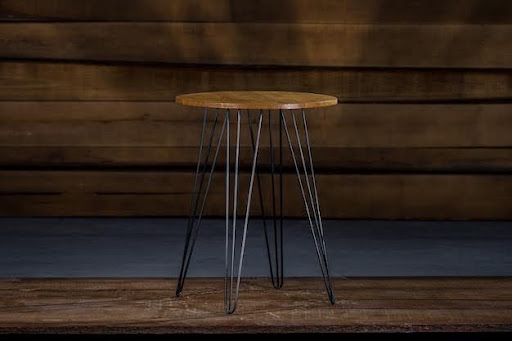
Modern furniture is often designed to combine functionality with attractive details. While the tabletop usually receives most of the attention, the base can strongly influence the overall appearance and stability of a piece. Stylish table legs can transform a simple tabletop into a distinctive piece of custom furniture. They are available in many materials, shapes, finishes, and designs to suit different interiors.
1. Choose a Design That Matches the Furniture
The design of the legs should complement the style of the tabletop and surrounding furniture.
Minimalist spaces may benefit from simple straight or geometric designs, while decorative interiors can work well with more detailed shapes. Choosing a balanced design helps the furniture look intentional rather than mismatched.
2. Consider Strong and Durable Materials
Material is an important factor when selecting designer legs. Steel and other metals can provide excellent support while creating a modern appearance.
Wood is another popular option for custom furniture because it offers a natural and warm look. Table legs should be strong enough to support the tabletop and the items that will normally be placed on it.
3. Explore Different Shapes and Styles
Designer legs come in numerous shapes, including hairpin, tapered, angled, square, and curved styles. Each shape can create a different visual effect.
For example, slim metal legs may give a desk a lightweight modern appearance, while wider wooden legs can provide a stronger traditional look. Exploring different styles makes customization easier.
4. Pay Attention to the Finish
The finish can significantly affect the final appearance of custom furniture. Metal legs may be available in finishes such as matte, polished, or textured surfaces, while wooden legs can have natural stains or painted finishes.
Table legs with a suitable finish can coordinate with the tabletop and other furniture in the room.
5. Check Height and Stability
A stylish design should not compromise comfort or stability. The height of the legs needs to suit the intended use of the furniture, whether it is a dining table, desk, coffee table, or side table.
The legs should also be installed securely and positioned correctly to prevent unwanted movement. Proper measurements are essential before installation. Choosing legs with a suitable weight capacity can provide additional support and improve the overall durability of the furniture.
6. Think About Custom Furniture Needs
Custom furniture allows buyers and designers to select details according to specific requirements. Leg size, shape, material, height, and finish can often be chosen to match a particular project.
Table legs can therefore become an important design feature rather than simply a functional support. This flexibility is especially useful for unique furniture projects and personalized interiors.
Final Thoughts
Designer table legs can add both style and practical support to modern and custom furniture. By considering the design, material, shape, finish, height, and stability, furniture makers can create pieces that look attractive and work well. The right legs can turn an ordinary tabletop into a distinctive and functional piece that complements the overall interior. Carefully selected legs can also give custom furniture a unique character while improving its everyday usability.